





Estonia e-Residency Cost
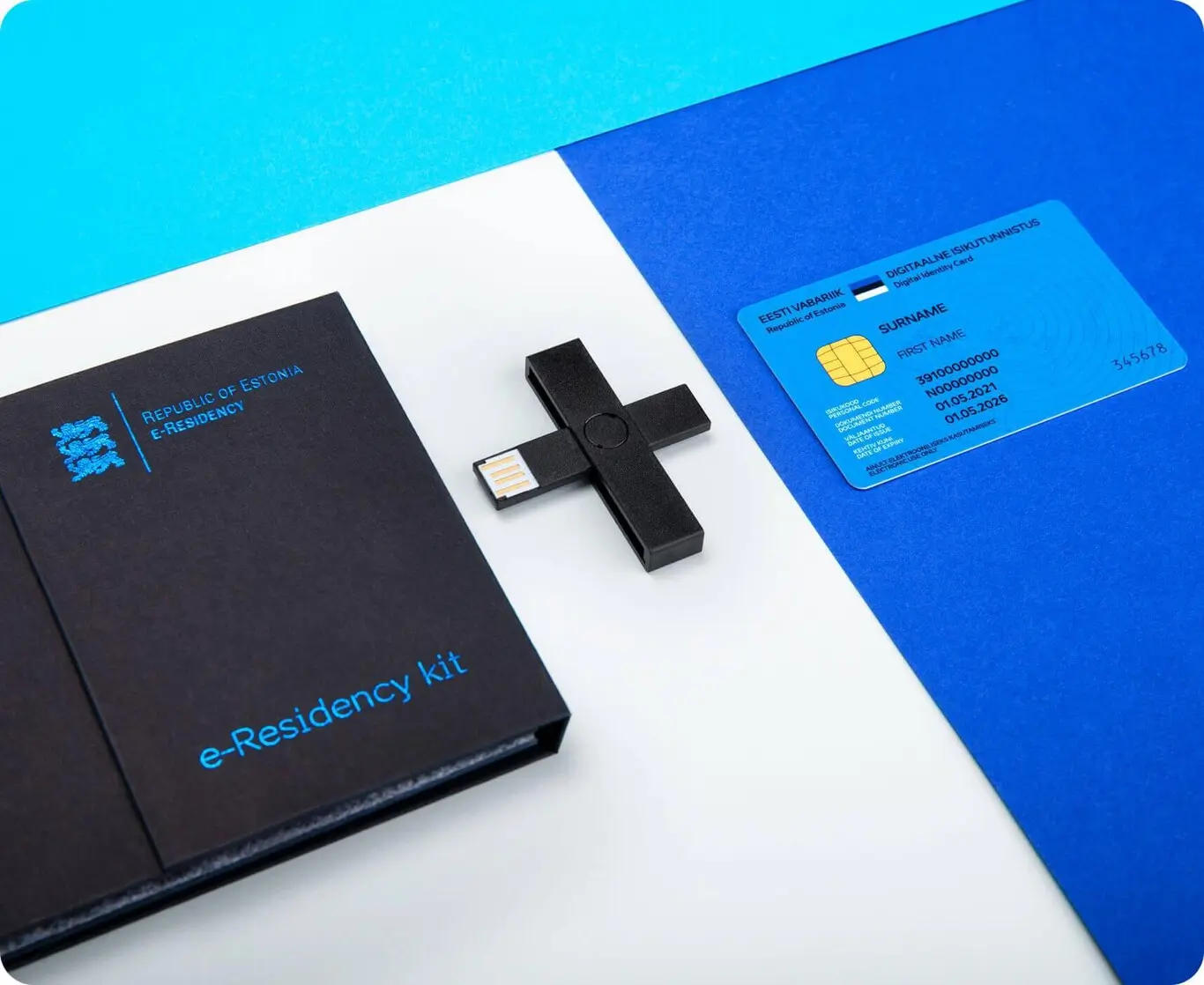
More than 70,000 people from 170 countries are Estonian e-residents. But is it for you?
In this news we're going to tell you what the benefits of e-residency are, what it is, the pros and cons, costs, how to apply, and what we ultimately decided to do.
First things first: what is e-residency exactly?
Estonian e-residency is a government-issued digital identity that was created in order for foreign entrepreneurs to be able to set up a company remotely in Estonia so that they could access the EU market and have a tax domicile. So you could get a digital ID in Estonia with a company and potentially a bank account without ever going there. After that you can manage your new EU-based company from anywhere in the world.
And we definitely recommend checking out Estonia e-residency's website because they have a lot of cool stories about different entrepreneurs from countries around the world and how they're using their e-residency, so definitely check that out to see if any of their stories resonate with you. So that is the main purpose of e-residency.
But what is it not?
Here are some common misconceptions:
First of all, e-residency status is not a travel permit. It's not a work permit either, so it doesn't give you any ability to enter the EU or enter Estonia. If you are interested in living and working in Estonia, however, you can check out my other video about the country's brand-new digital nomad visa.
So although you get a digital identity in Estonia, it is not permission to travel there, and it's also not an ID card. It also doesn't give you any legal permanent residency status or path to citizenship, so that has to be really clear up front.
Let's talk pros and cons, though, because although there are some downsides, there are some definite benefits.
The best thing about it is that you can do everything remotely without ever having to go there. So you can open your company remotely, you can have a EU-based company with access to that market, and then you can manage it from anywhere in the world. You can also sign documents digitally, so you don't have to print, scan, and sign anything — you can just sign it online and be done with it.
You can also open a bank account technically, although we're going to talk about that more in a second. And the other pro is that it's really affordable, and the process is quite fast. It's only a 100-euro application fee that you can fill out online, and it takes six to eight weeks to process, and then you can pick up your e-resident package in upwards of 40 countries around the world. So it's a really convenient, really low-risk entry-level option to open a company in Europe.
There are also no annual maintenance fees or anything like that, so you just pay the fee one time. The ID card is good for five years, and the replacement cost is the same as the 100-euro application fee.
It's also pretty cool — it was the first program of its kind, and when you become an e-resident, you become part of this 70,000-member-strong e-resident community, and they even apparently have live in-person meetups, so that's pretty cool.
Estonia is known as quite a digitized nation. They have online voting and a lot of online services for their citizens, so it's a country that is really pushing the envelope and trying to innovate in this space and definitely inspiring and influencing other countries to follow along.
What about the downsides?
Well, when e-residency first launched around 2014–2015, it was met with quite a lot of criticism. People were saying that it was nothing more than like a PR stunt or a marketing ploy. And while it may be true that Estonia got a lot of free press about this innovative novel program, it's also legitimate. There are a lot of people with this card and a lot of people operating their businesses in Estonia from anywhere, so it is a real deal despite any other benefits that the tourism board or the country might have gotten — that's irrelevant.
The biggest downside was that it didn't provide any travel benefits or any sort of access to go to the country should you want to go there. But now they have the digital nomad visa program that serves that purpose, so now it's not even really a downside anymore.
The biggest con that we see is that since the program was implemented, it hasn't worked out in practicality exactly the way people expected at the beginning, especially with regard to opening a bank account remotely. Opening a bank account in another country is usually always a process.
But there was an understanding a few years ago that if you got the e-resident status that it would be easy, or easier, or guaranteed to open a bank account — but it appears that many e-residents have had problems doing that. And that can be a little bit of a headache if you're trying to do business in the EU.
But we actually looked at Estonia's e-residency website to figure out what their position was on opening a bank account there, and we don't know if it was on the website before, but now it definitely says clearly that e-residency status cannot be used as leverage to open a personal bank account. So it's not guaranteed.
The big question, though, is: should you get it?
And we think that depends. After analyzing it a few years ago, we ultimately decided not to get it — not because we didn't think it was cool or useful, but simply because we didn't need it. We had already been living and working abroad for more than 10 years at that point, and we already had plenty of bank accounts and offshore companies, and we just really didn't want or need any more because it's kind of an administrative nightmare if you have too many.
Also, being a US citizen and the nature of our business, we didn't need any special company in the EU to be able to do business or access our customers.
But if you are living in a developing country like India or a country like South Africa or Argentina that has an unstable currency, then it might be a really good option for you because first of all it's low cost, so it doesn't really cost you much time or effort to be able to do it. And then you have that option should you need it.
And it's also good for startups and founders who want to have an official domicile in the EU so that they can raise money and get funding — things like that. And it also makes sense for people who don't want to travel somewhere to open a company, but they just want a really easy, low-cost way to do it.
So if you're from a non-EU country or a developing country that has limited entrepreneurial opportunities and banking options, currency restrictions, or lack of payment processing, then the e-resident program could be a really useful and viable option.
And if you're interested in opening an Estonian company but you don't want to go it alone, there are companies now that we found that can help you with the process so that you can open your company in less than 15 minutes, and they can also provide support services — a physical address in Estonia, mail sorting and forwarding, online company management and invoicing, help with payments and big geek solutions, and all kinds of other stuff.
So, to apply for e-residency, check out eresident.gov.ee. You'll need a passport-style photo, a copy of your passport or national ID document, and the 100-euro application fee that you can pay with a credit or debit card.

Apply for Visa
Borders are just lines—your courage is limitless
Apply for Residency
Because home isn’t a place — it’s where your story grows.