










Three documents without which you will be deported from Canada
 Three documents without which you can be deported from Canada. And most immigrants confuse them with the visa in their passport.
One girl got stuck in Mexico for several weeks and couldn’t return to work in Canada because she didn’t check one important document. We’ll tell her story later. But first, let’s figure out what these documents are— we're holding them in our hands.
Many people think that after getting a Canadian visa, they can stay in the country and do whatever they want without restrictions. For example, you got a 10-year tourist visa, so you can live for 10 years, right?
Absolutely not. To put it simply, the visa in your passport is like a key. It allows you to get on a plane and fly to Canada. The key lets you enter, but the right to stay inside is confirmed by other documents. If you confuse one with the other, the consequences can be serious: loss of status, entry bans, months of waiting. Unfortunately, we have encountered this. As the saying goes, “ignorance of the law does not exempt from responsibility,” so now we'll tell you how to avoid this.
Let’s start with the Visitor Record, a document that confirms your visitor status. 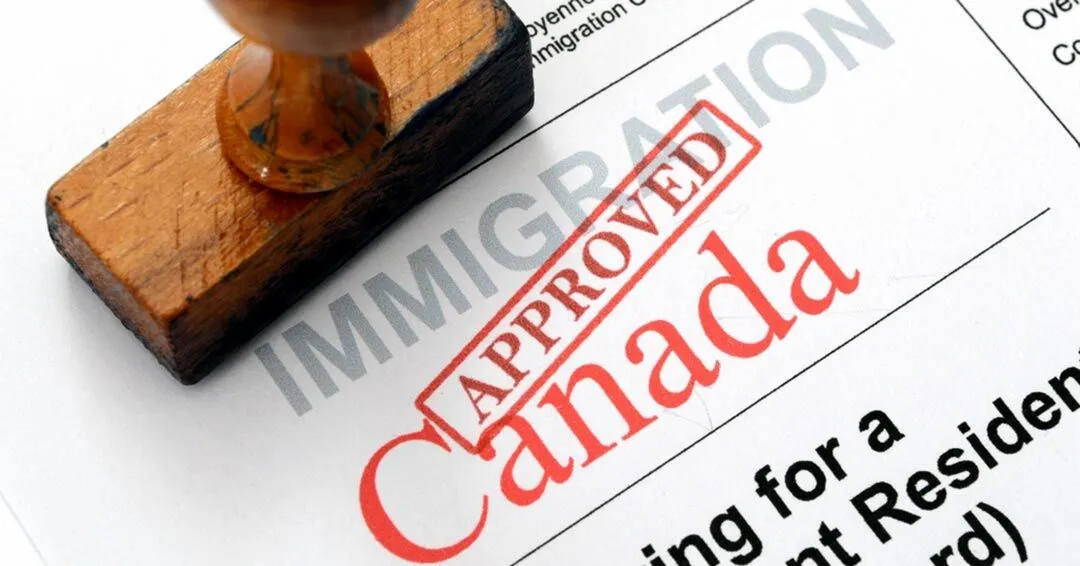 When you enter Canada as a tourist, you are usually given 6 months for continuous stay in the country. Sometimes the officer stamps your passport with the date you must leave. Sometimes they don’t stamp anything. Then you count 6 months from your entry date.
If you stay longer in Canada, you violate the allowed period. And this is already considered a violation of immigration rules. But what if you want to stay longer? For example, you came to visit your children. That’s possible. In this case, you need to get a Visitor Record.
This is a separate document that extends your stay in Canada. As you can see, the Visitor Record is not a visa, but a thick printed document.
The document allows you to stay in Canada, but it does not give you the right to leave and return. If you leave Canada with a Visitor Record, you must have a valid visa to enter again. Remember: Visitor Record = right to stay inside Canada; Visa = right to enter Canada. Two different documents for two different purposes, and they look different.
Let's tell you one example. A man came to Canada to visit relatives, then extended his stay and got a Visitor Record for 1 year. He had a US visa, so he decided to go to the US, to Florida, to visit Disneyland. By that time, his Canadian visa in the passport had expired. When he tried to return to Canada, he was not allowed in. He was sure the Visitor Record was enough. He didn’t understand that a separate document is required for entry.
By the way, if you have a Visitor Record, you are not allowed to work or study.
Let’s move to the next document for students. We have here a Study Permit.
If you come to study in Canada for more than 6 months, you need this document. It states your educational institution, the validity date, and additional conditions about your study and status. For example, whether you are allowed to work during studies and under what conditions.
Usually, we help our clients apply to a Canadian university and get a student visa in their country. This gives them the right to fly to Canada. Then the immigration office checks the documents. If everything is in order, the visa officer prints the Study Permit, which is the status inside Canada.
By the way, on January 2, we received the first positive decision on a student visa issuance. Despite changes in Canada’s immigration plan, students who really want to study are needed in the country.
We received this document at our address in an envelope because our client was already studying at a private college in Canada, and we received a new Study Permit.
Confusion often happens because a student visa may expire sooner than the Study Permit, or the permit may be issued for a shorter period than the program duration. Therefore, you must carefully track the validity of your documents to extend them or get new ones if necessary.
Now let’s move to the Work Permit.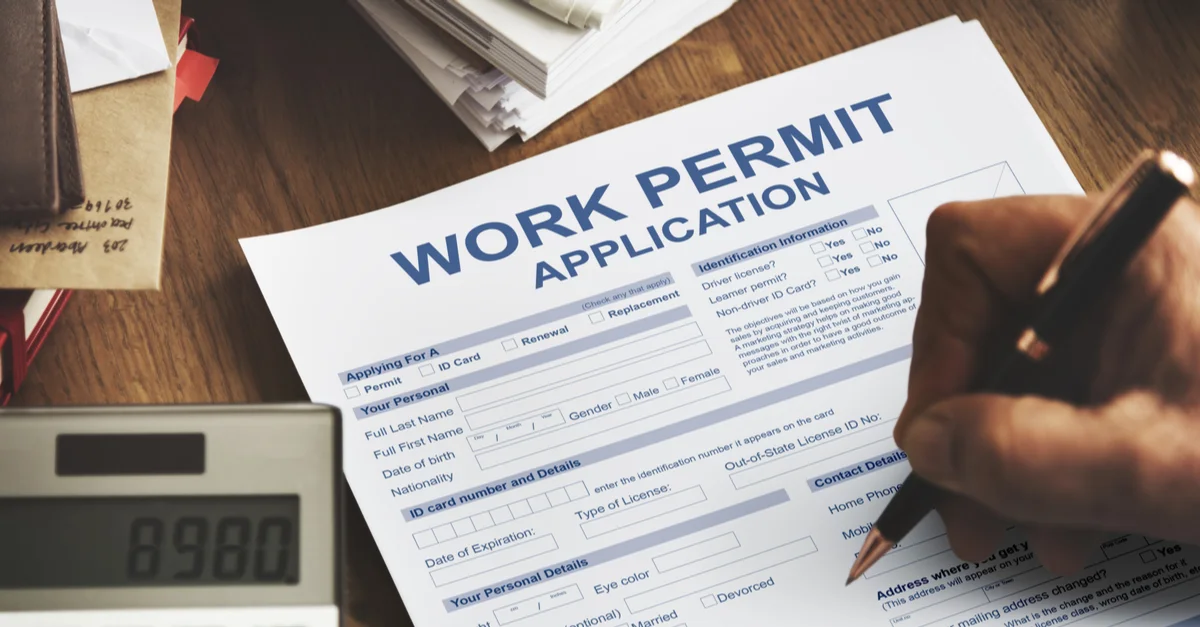 If you are in the country, found a job in Canada, received a job offer, and got a work visa, you still cannot work in Canada without this document. Even if you have a 10-year visa, you cannot legally work a single day or hour without a Work Permit.
Work Permits are usually issued upon arrival or sent by mail. They come in two types:
- Open Permit – allows you to work for any employer.
- Closed Permit – ties you to a specific employer or profession.
The same rule applies: the Work Permit allows you to work inside Canada, but does not allow you to cross the border.
Now, the story we promised at the beginning. A family came to Canada. The husband got a Work Permit through his employer. The wife got an open permit as a spouse of the worker. Everything went well for 2 years. Then they decided to take a vacation in Mexico. The husband’s visa was valid. The wife’s wasn’t. She thought: “Since the Work Permit is valid for another year, everything is fine.”
At Cancun airport, when checking in for the return flight, she was not allowed on the plane. The husband returned to Canada alone. The wife had to apply for a visa from Mexico. This took several weeks.
Stop. Right now, open your passport, find your Canadian visa, check the expiration date, pause reading news and set a reminder on your phone several months before the expiry.
Done? Great. Let’s continue.
Now let’s discuss what to do if the document has already expired. If your Visitor Record, Study Permit, or Work Permit has expired, you lose your status in Canada. From that moment, you are in the country without the right to work or study.
This is unpleasant, but in most cases, the situation can be fixed. You have 90 days to apply for restoration of status. This is not a guarantee, but a real chance. If you need help, reach out. If more than 90 days have passed, the situation becomes more complicated and may result in an official requirement to leave Canada, which affects your immigration history and future applications.
The main thing—don’t panic, don’t hide. The sooner you seek help, the more options you have.
Let’s summarize. Today we talked about temporary status. In Canada, there are two types of documents:
- Visa in passport or electronic travel authorization (eTA) – your entry ticket to Canada.
- Status documents – Visitor Record, Study Permit, Work Permit. These give you the right to stay and do specific activities in Canada.
A visa may be issued for 10 years, but if your Study Permit is for 2 years, you can study only 2 years. Conversely, if your Study Permit is 4 years but your visa doesn’t allow entry after leaving, you must get a new visa.
Track both documents, write down the dates, and set reminders 3–4 months before expiry.
Related

Apply for Visa
Borders are just lines—your courage is limitless
Apply for Residency
Because home isn’t a place — it’s where your story grows.